If your jaw aches by mid-afternoon, your teeth feel sore in the morning, or your jaw clicks every time you yawn, you know how much jaw tension can wear on a day. Acupuncture offers a direct, drug-free way to release that tension and calm the clenching pattern behind it — so chewing, talking, and waking up feel easy again.
TMJ pain is rarely just a jaw problem. Tight muscles in the jaw, neck, and shoulders, stress carried through the week, and restless sleep all feed the same guarded pattern. At SpringWell Acupuncture in Herndon, VA, TMJ care addresses the whole pattern — the jaw, the neck, the stress, and the sleep — so relief builds week by week instead of fading between flare-ups.
Short answer
Acupuncture for TMJ and jaw pain releases tight jaw muscles, calms the clenching pattern, and helps steady the stress and sleep patterns that keep the jaw tense. At SpringWell Acupuncture in Herndon, VA, treatment is individualized to your jaw, neck, and head pattern, usually weekly at first, so chewing, talking, and mornings feel easier as tension releases.
How Does Acupuncture Help TMJ and Jaw Pain?
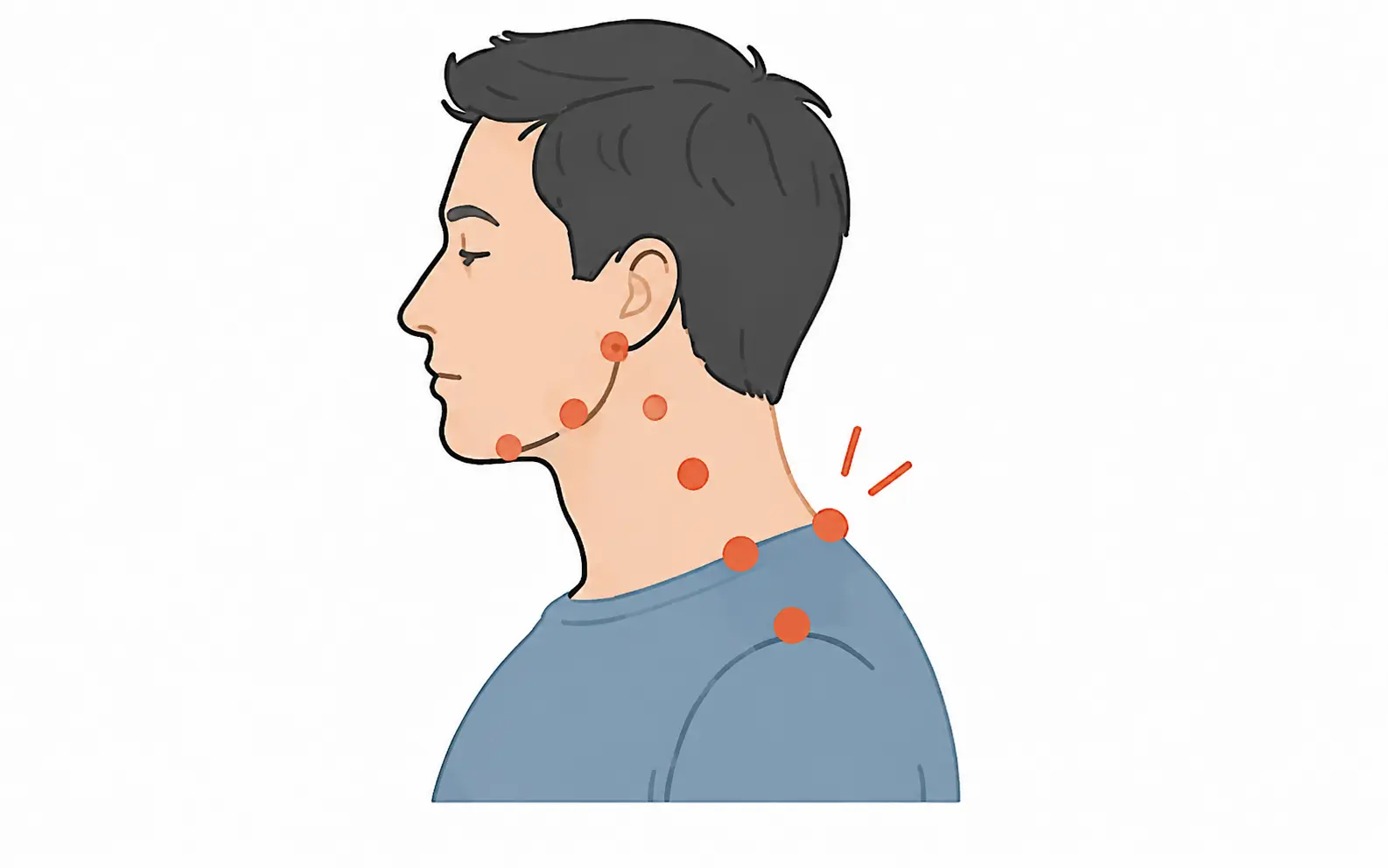
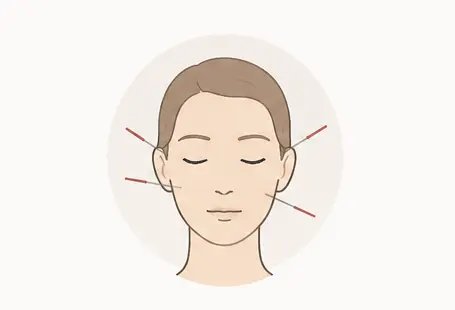
Acupuncture works on jaw pain from several directions at once, which is exactly what a layered, tension-driven condition like this needs. Fine needles at points around the jaw, temples, neck, shoulders, and hands help guarded jaw muscles let go, settle a nervous system that keeps the jaw braced, and improve circulation so overworked tissue can recover.
That combination is where acupuncture's strengths show:
- A jaw that finally lets go: releasing the masseter and temporalis muscles — the powerful chewing muscles — takes the constant ache out of the jaw and the temples.
- Less clenching, day and night: treatment calms the bracing pattern behind clenching and grinding, so the jaw rests instead of working around the clock.
- Headaches ease too: jaw tension is one of the most common drivers of tension headaches and migraine, so loosening the jaw often loosens the head as well. Our guide to acupuncture for migraine explores how the same whole-pattern approach works for the headaches that start in the jaw and neck.
- Freer movement: as muscles release and the joint moves more evenly, opening wide, yawning, and chewing become comfortable again — and the clicking often quiets.
- Whole-pattern care: one plan can address the jaw pain, the poor sleep, and the stress that often travels with it, because in TCM they are parts of a single pattern.
- Drug-free and gentle: no grogginess and no dependency — quiet, restorative sessions that many patients describe as the most restful hour of their week.
Learn more about TMJ and jaw pain care at SpringWell.
What TMJ and Jaw Patterns Do We See?
Two patients can both say “my jaw hurts” and need quite different care. Common patterns include:
| What you notice | What often drives it | What care focuses on |
|---|---|---|
| Sore teeth and jaw in the morning | Nighttime clenching or grinding | Calming the nervous system and easing jaw tension so the jaw rests overnight |
| Jaw ache that builds through the workday | Daytime clenching at a screen, stress, and poor posture | Releasing jaw, neck, and shoulder muscles and resetting the daytime bracing habit |
| Clicking or popping when you open wide | Uneven, guarded jaw muscles pulling the joint out of rhythm | Restoring even muscle balance so the joint tracks smoothly again |
| Jaw pain with headaches or ear fullness | Tension traveling from the jaw into the temples, neck, and ears | Treating the jaw, neck, and head as one connected pattern |
| Jaw tightness that flares with stress | Stress and shallow sleep keeping the whole system braced | Steadying stress and sleep alongside the jaw itself |
Traditional Chinese medicine reads these patterns — together with your sleep, stress, digestion, and cycle — to choose points and build your plan. The details matter because the pattern, not just the label “TMJ,” guides treatment.
A jaw that rests is a jaw that heals — and treatment starts by teaching it how to let go.
What Treatment Looks Like at SpringWell
Your first visit begins with a conversation: when the jaw pain started, whether it clicks or locks, when you notice yourself clenching, how you sleep, and what seems to set it off — stress, long screen days, chewy foods, or cold weather. Treatment itself is quiet and unhurried — fine needles while you rest comfortably, with time for tight jaw muscles and a wired nervous system to genuinely settle.
Most TMJ plans begin with weekly visits, then reassess together. As the jaw loosens, headaches ease, and mornings feel better, visits may space out, and the plan keeps adjusting to your pattern — points, focus, and rhythm all follow how your jaw is changing.
SpringWell is open Tuesday, Thursday, Friday, and Sunday, 9:00 AM to 6:30 PM, so visits can be scheduled at a consistent time that fits work and family life.
Daily Habits That Help Your Jaw Relax
Acupuncture works best alongside a few steady daily habits. These are the foundations we discuss most often:
- Rest the jaw on purpose — lips together, teeth apart, tongue resting lightly on the roof of the mouth. Check in a few times a day: if your teeth are touching, you are clenching.
- Soften chewy foods for a while — give hard, chewy foods a break while the jaw settles, and cut food smaller so the jaw opens less wide.
- Break up screen time — stand, roll the shoulders, and unclench the jaw on purpose every 30 to 45 minutes; drop the shoulders and let the tongue rest up.
- Warm the jaw before bed — a warm compress on the cheeks for a few minutes helps tight muscles soften before sleep.
- Keep sleep regular — a consistent bedtime and wake time helps the nervous system settle, and a settled nervous system clenches less at night.
- Wind down before bed — dim screens and a quiet hour before sleep help the jaw arrive at the night already relaxed.
None of these replaces care for ongoing jaw pain, but together they give treatment a better foundation to build on.
Common Questions About Acupuncture for TMJ and Jaw Pain
Can acupuncture help TMJ and jaw pain?
Yes. Acupuncture releases the tight jaw, neck, and shoulder muscles that drive TMJ pain, calms the nervous system patterns behind clenching and grinding, and helps steady the stress and sleep patterns that keep the jaw tense. Many patients find chewing, talking, and opening the jaw feel easier as treatment builds.
How many acupuncture sessions does TMJ relief usually take?
Care often begins with weekly visits, then reassesses together. Some patients notice a looser jaw and fewer headaches sooner; steadier, longer-lasting change tends to build over a series of visits as muscle tension, clenching, and sleep patterns settle.
Can acupuncture help jaw clicking or popping?
Yes. Clicking and popping often come from guarded, uneven jaw muscles pulling the joint out of its easy rhythm. As acupuncture releases that tension and the jaw moves more evenly, the clicking often quiets — and the ache and stiffness that travel with it ease as well.
Does acupuncture help teeth clenching and grinding at night?
Yes. Nighttime clenching and grinding are closely tied to stress and restless sleep, and acupuncture treats them as one connected pattern — calming the nervous system, easing jaw tension, and supporting deeper sleep. Many patients keep using their night guard alongside care while the clenching pattern itself settles.
Where can I find acupuncture for TMJ near Herndon and Reston, Virginia?
SpringWell Acupuncture is located at 463 Carlisle Dr Ste B, Herndon, VA 20170 and is open Tuesday, Thursday, Friday, and Sunday from 9:00 AM to 6:30 PM. The clinic serves patients from Herndon, Reston, Sterling, Vienna, Tysons, Fairfax, and nearby Northern Virginia communities.
SpringWell Acupuncture welcomes patients from Herndon, Reston, Sterling, Vienna, Tysons, Fairfax, and the broader Northern Virginia and DC metro area. The clinic is located at 463 Carlisle Dr Ste B, Herndon, VA 20170.
TMJ and jaw pain care in Herndon
Start loosening the jaw that never rests.
Schedule an initial consultation to talk through your jaw pattern, your clenching, and what care may look like for you.