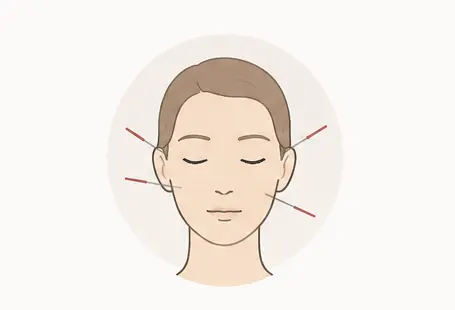
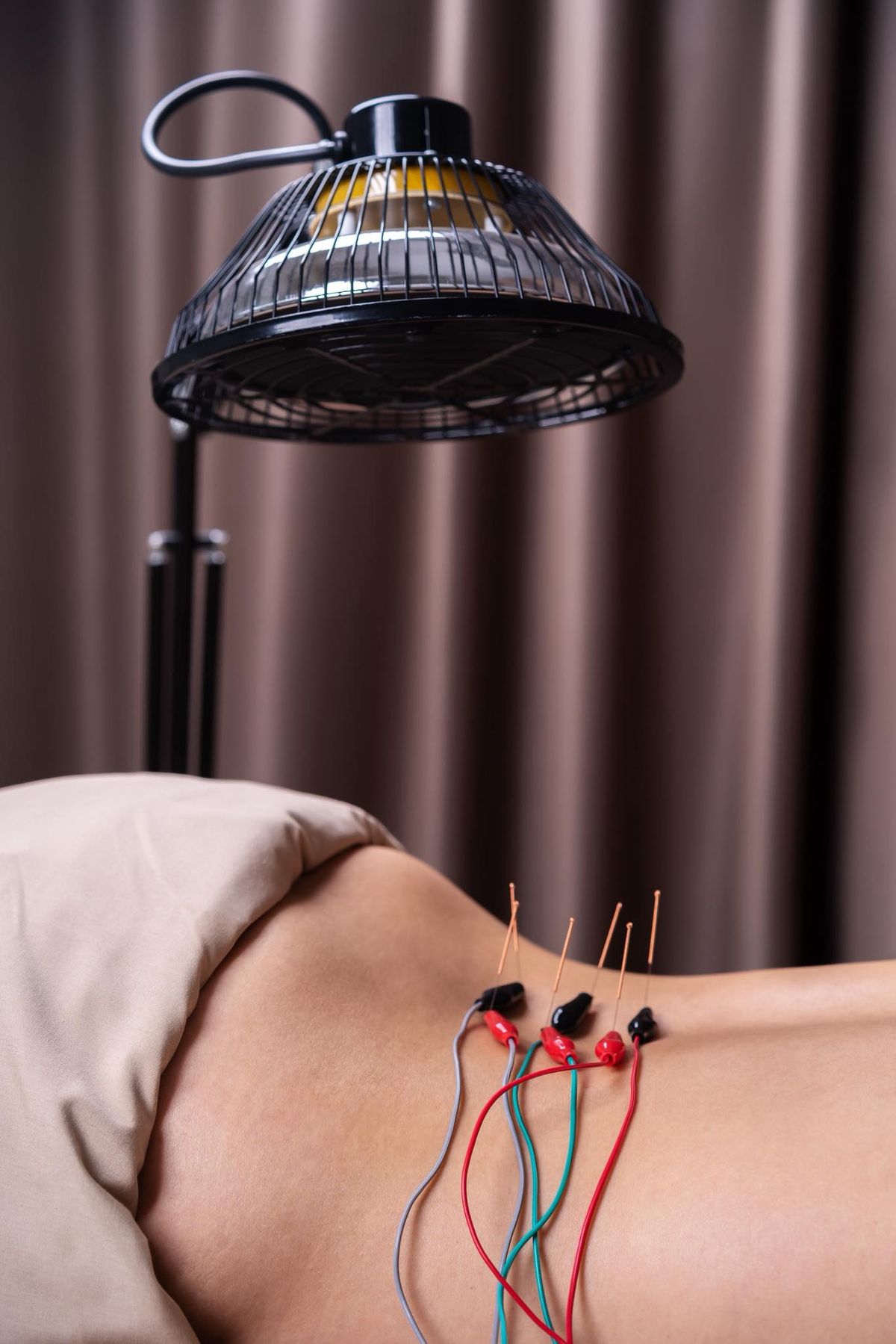
Fine acupuncture needles being placed during a pain-focused treatment

Neck · Back · Muscle · TMJ pain

Acupuncture for Pain Management

Focused care for musculoskeletal, jaw, facial, headache, and recurring tension patterns that affect movement and daily life.

Book your first visit

Conditions and concerns

What may bring you in.

Turn a card to see common symptoms and how acupuncture may fit into supportive care.

A focused pain-relief plan

Targeted treatment for pain, tension, and movement.

Acupuncture can work on several parts of a pain pattern at once: local sensitivity, muscle guarding, nervous-system processing, and the movement habits that keep symptoms going. Many patients notice changes in pain or mobility over a short series of visits, while results vary by condition and person.

01

Assess the pattern

We identify where the pain is, what triggers it, how it changes movement, and whether the symptoms need medical, dental, or physical-therapy evaluation.

02

Use acupuncture precisely

Needles are selected for the painful area and the broader pattern. Local and distal points may be combined to reduce sensitivity and muscle guarding.

03

Add electroacupuncture

For selected chronic or muscular pain patterns, a gentle rhythmic electrical stimulus can extend the treatment input without adding more needles.

04

Release with cupping

When tightness or soreness is prominent, cupping may be added to create a focused decompression and mobility-focused finish.

Why consider acupuncture?

Why consider acupuncture?

For neck, back, muscle, and TMJ pain, acupuncture may reduce pain sensitivity and muscle guarding while making movement feel easier.

Electroacupuncture can add a gentle rhythmic stimulus for selected pain patterns, and cupping may be used when muscle tension and soreness are prominent. Care can complement exercise, dental care, physical therapy, medication, or medical evaluation.

Science in context

What the research tells us

Pain is one of the most studied areas of acupuncture research, but results are not the same for every condition or every person.

20,827 patients

An individual-patient meta-analysis across chronic pain trials found acupuncture was associated with better pain outcomes than both sham acupuncture and no acupuncture, with effects persisting over time.

Read source · Vickers et al., J Pain
Moderate-quality evidence

NCCIH notes that acupuncture is among the nondrug options recommended by the American College of Physicians for chronic low-back pain.

Read source · NCCIH evidence summary

Your visit at Springwell

Personalized care, step by step.

Every plan is adjusted to your symptoms, health history, comfort, and goals.

01

Locate the pattern

We map the location, timing, triggers, quality, and functional effect of your pain.

Pain map · movement check
02

Choose the right input

Treatment may combine body acupuncture with gentle electrical stimulation when appropriate.

Acupuncture · electroacupuncture
03

Release and reassess

Cupping may be added for muscle tension, followed by a simple plan for movement and follow-up.

Cupping · home guidance · progress tracking

Important: Sudden severe pain, new neurologic symptoms, major injury, chest pain, or other urgent symptoms require prompt medical attention.

Appointment options

Simple, unhurried visits.

New patient

Initial consultation + treatment

60–75 min

A detailed intake, focused assessment, first treatment, and recommended next steps.

Book your first visit
Returning patient

Follow-up care

45–60 min

A progress check, updated treatment focus, and care shaped around your response.

Book a follow-up

Have questions?

Want to talk?

We are offering a free 15-minute consultation for those who are seeking more answers.

Book now