Services

Traditional supportive therapy

Fire Cupping

A warming Traditional Chinese Medicine therapy used to ease areas of tension and restriction and encourage the smooth movement of Qi and Blood.

BOOK NOW

Traditional supportive therapy

Warmth, movement, and a more comfortable sense of the body.

Fire cupping uses carefully controlled suction to create a local treatment signal. It may be selected for areas that feel tight, sore, heavy, or restricted, and can be used alone or alongside acupuncture when appropriate.

A simple view of the mechanism

How cupping creates a local treatment signal

A controlled negative-pressure cup gently lifts the skin and superficial tissue. That local mechanical input may change sensation, muscle tone, and the way an area feels during movement.

A clear look at treatment

A closer look at fire cupping care.

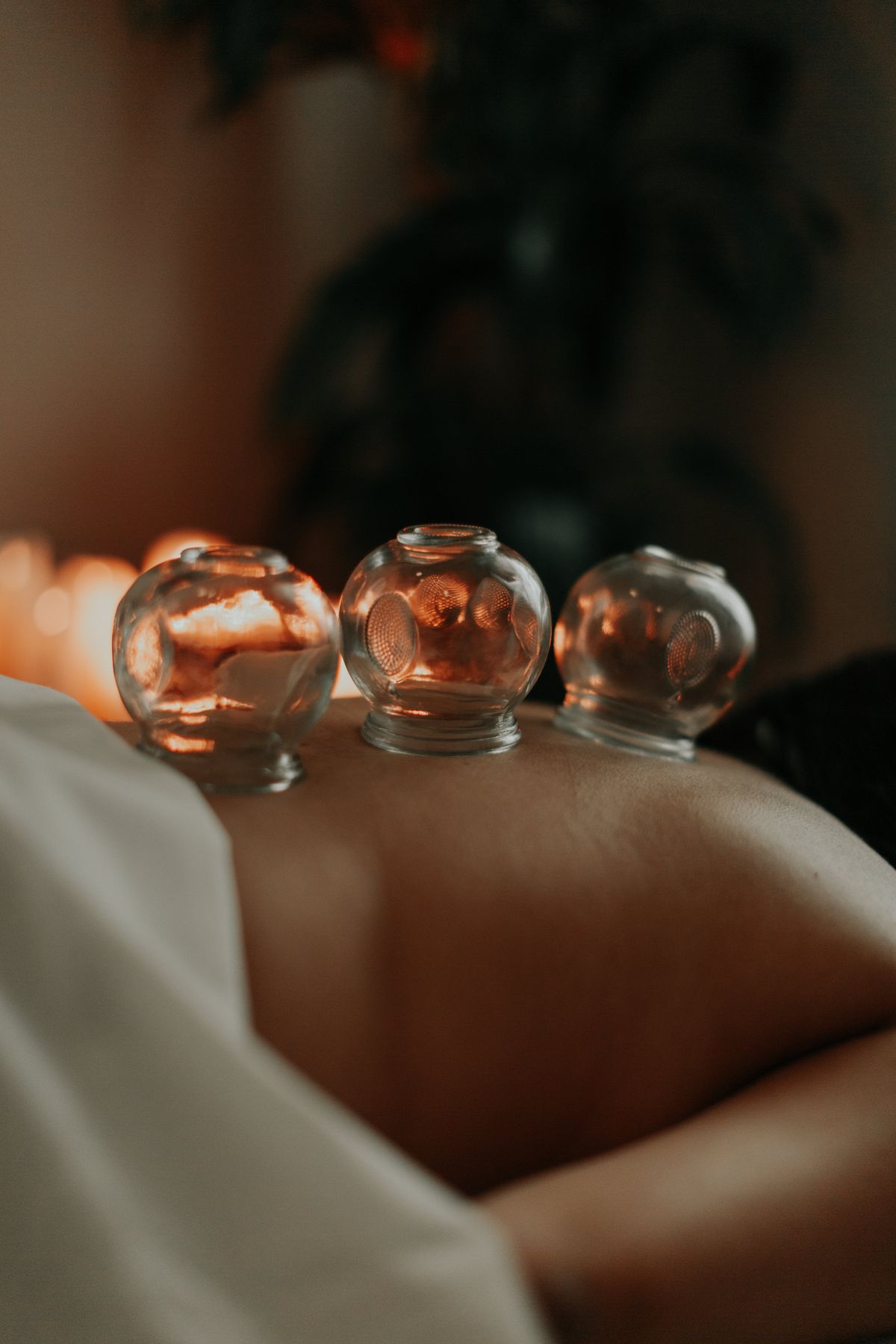
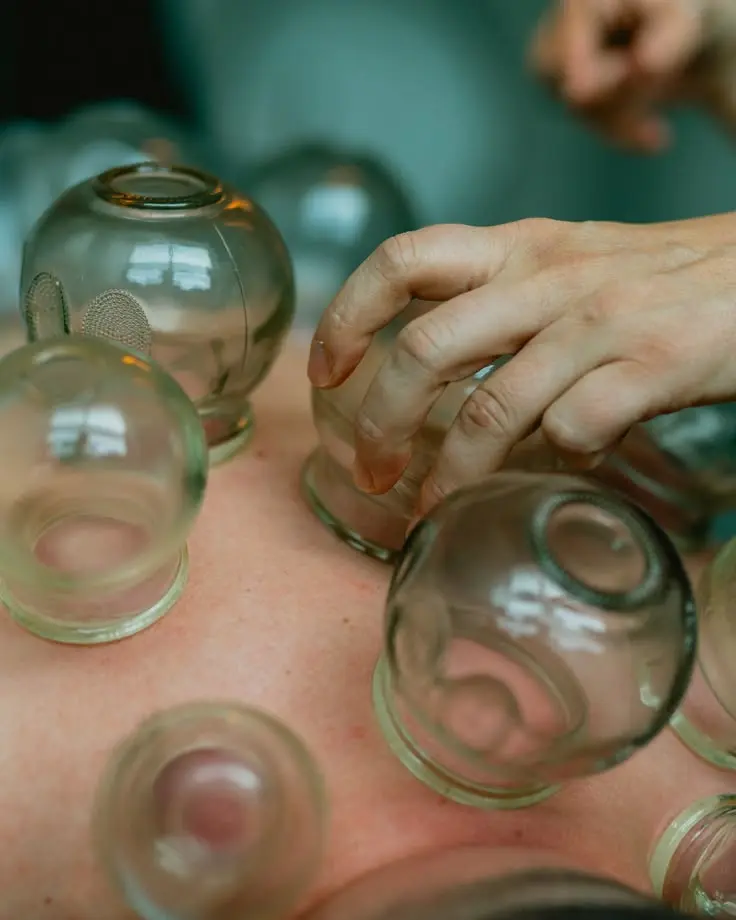
Glass cups being placed during a cupping treatment

Traditional Chinese Medicine perspective

In Chinese medicine, aching, stiffness, and heaviness may reflect a pattern in which Qi and Blood are not moving freely. Fire cupping is traditionally used to ease this stagnation, dispel Cold and Dampness, and support a greater sense of ease and mobility.

BOOK NOW
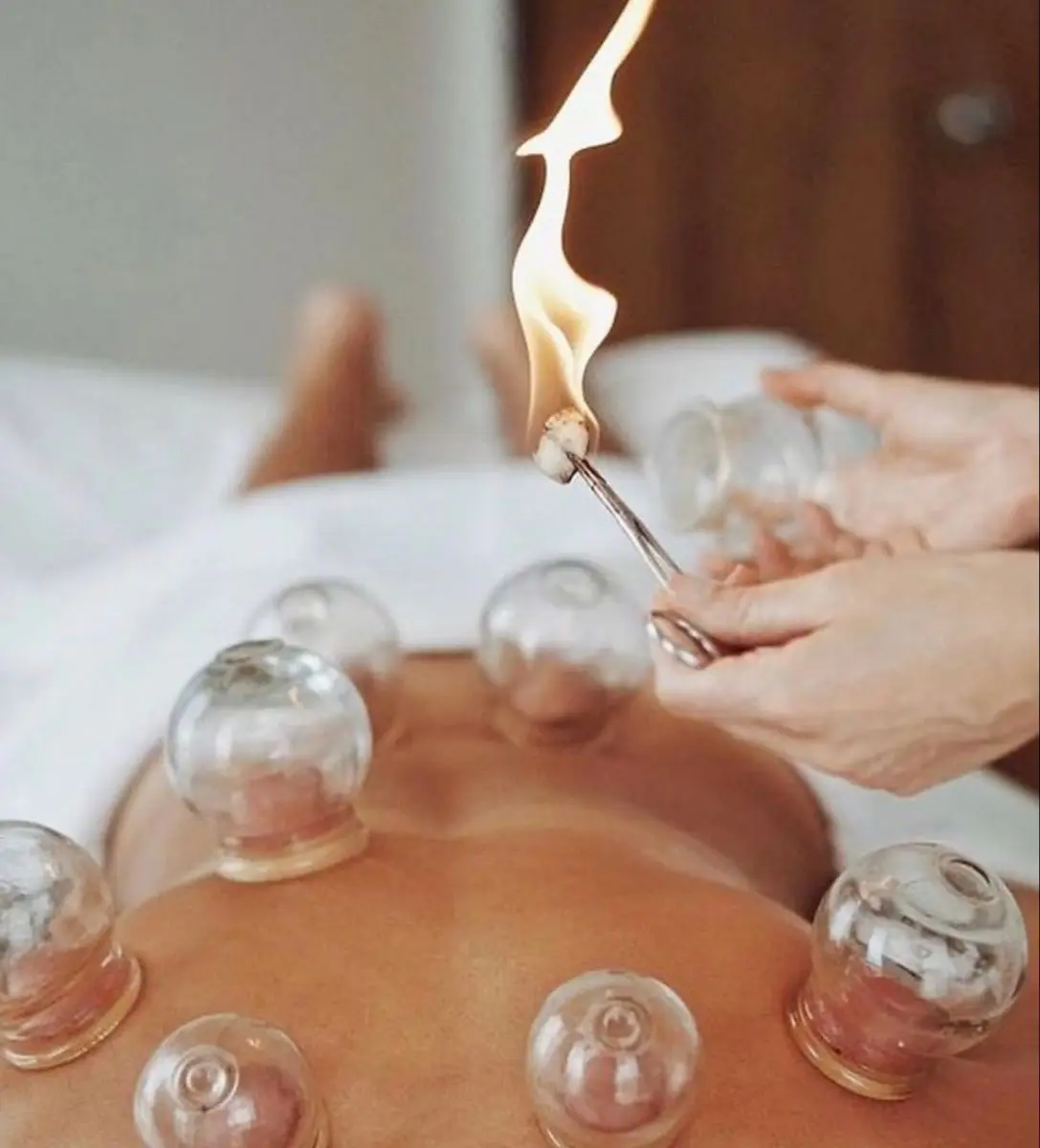
Traditional fire cupping preparation with a controlled flame

Why patients choose it

Fire cupping is often considered for areas that feel tight, sore, stiff, or heavy, especially when discomfort seems worse in cold or damp weather. It may be used on its own or combined with acupuncture based on your symptoms, preferences, and treatment plan.

BOOK NOW
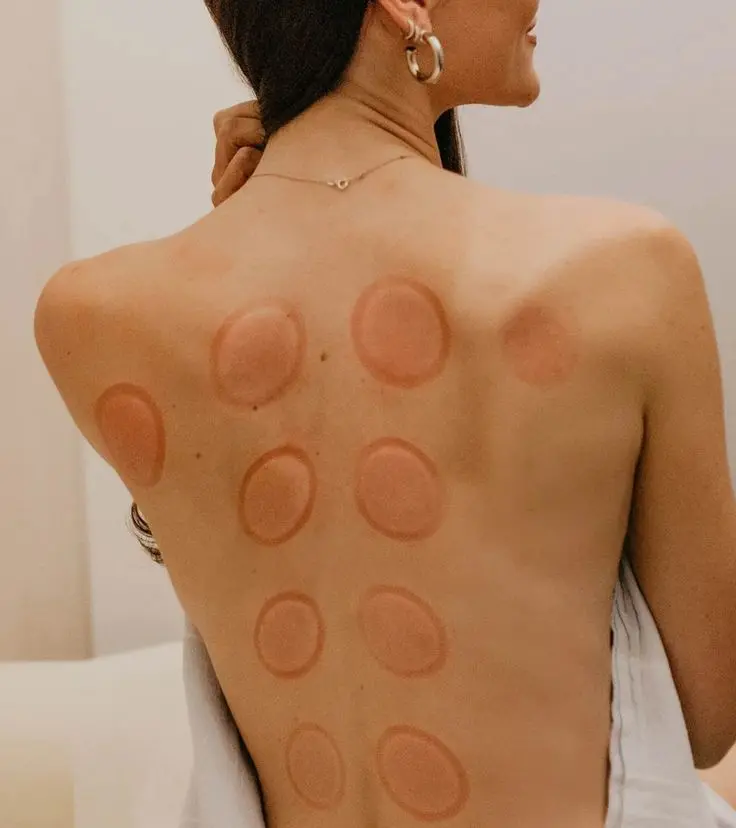
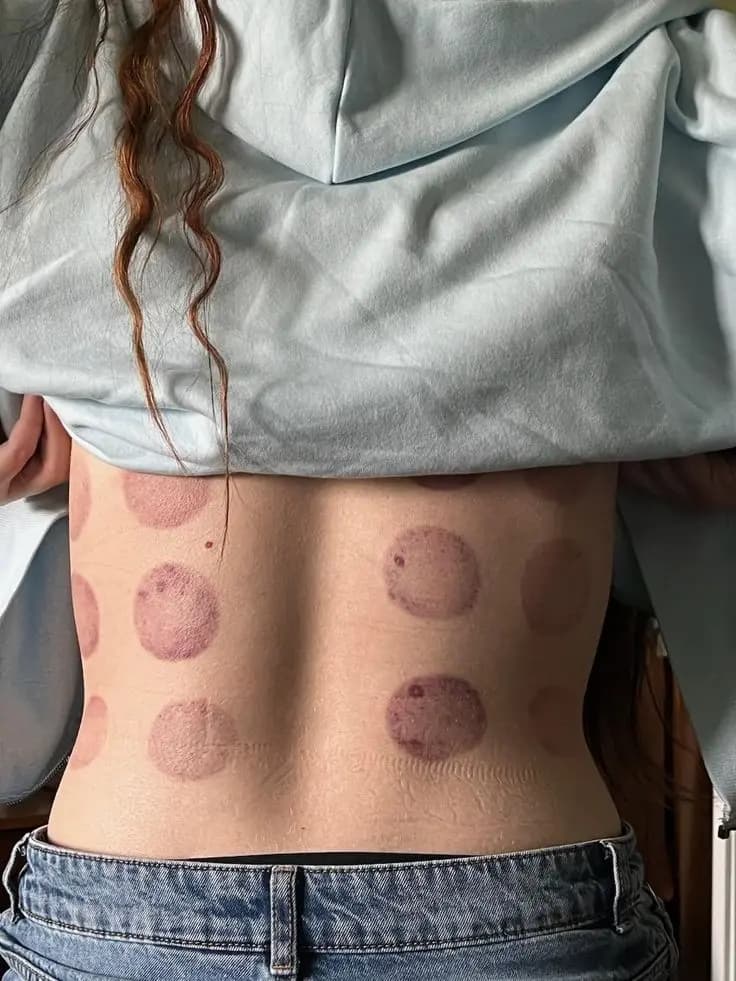
Temporary circular marks on the back after cupping

About cupping marks

Temporary circular marks are common after cupping and typically fade gradually over several days. In some cases, they may remain a little longer depending on the area and individual response. Your practitioner will check the skin before treatment, and cupping is avoided over broken, irritated, infected, or otherwise unsuitable areas.

BOOK NOW

Common care areas

Where Fire Cupping May Fit Into Your Care

Cupping marks are a temporary skin response, not proof that toxins were removed. We screen for skin conditions, bleeding risk, pregnancy-related considerations, and other reasons a technique may not be appropriate.

  • Neck, shoulder, and upper-back tightness
  • Low-back stiffness and overworked muscles
  • Exercise-related soreness and physical fatigue
  • Tension headaches associated with neck tightness
  • A sense of heaviness or restricted movement
  • Warm, supportive care alongside acupuncture

Knowledge

Frequently Asked Questions

What does fire cupping feel like?

Most people notice firm warmth and a gentle pulling sensation. Suction is adjusted to the area, your skin, and your comfort.

How long do cupping marks last?

Circular marks are common and usually fade over several days. Their color does not measure toxins removed or treatment success.

What concerns may cupping support?

Patients often choose cupping for tight neck and shoulders, low-back stiffness, overworked muscles, soreness, and tension that feels heavy or restricted.

Can cupping be combined with acupuncture?

Yes. When appropriate, cupping may be used alongside acupuncture to address both local muscle tension and a broader treatment plan.

How Traditional Chinese Medicine shapes the visit

More than the location of a symptom

Traditional Chinese Medicine looks for patterns across the body, not just the place that hurts. Sleep, digestion, temperature, menstrual changes, stress, energy, tongue appearance, and pulse quality may all add useful context when they are relevant to your concern.

Traditional reasoning, used with modern safety

Traditional pattern assessment helps guide point selection, while medications, diagnoses, pregnancy status, recent procedures, and other medical care are reviewed for safety. The two perspectives are used together rather than treating them as competing systems.

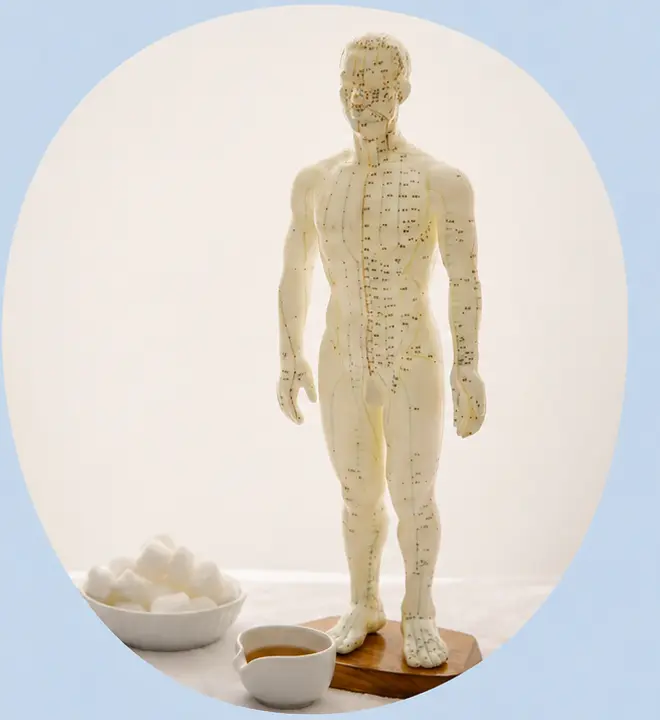
Traditional Chinese Medicine acupuncture model with meridian points

Why point selection can change

Two people with the same diagnosis may not receive exactly the same treatment, and your own point selection may change from visit to visit. What matters is the pattern of symptoms that is present that day and whether the plan is producing meaningful change over time.

Springwell Acupuncture

Ready to take the next step?

Tell us what brings you in, and we’ll help you choose the right first visit.

Book Your Visit