Stress & nervous-system regulation
Support for overwhelm, anxious tension, jaw clenching, and difficulty shifting out of constant demand.

Stress · Sleep · Digestive health
Individualized support for stress regulation, sleep concerns, digestive comfort, fatigue, and the patterns that make recovery harder.
New patient offer
Begin with a comprehensive consultation and personalized acupuncture treatment for $95, regularly $145.
Available to new patients for one initial visit. Cannot be combined with other offers.Three connected areas
Support for overwhelm, anxious tension, jaw clenching, and difficulty shifting out of constant demand.
Care for difficulty falling asleep, waking during the night, restless energy, and unrefreshing rest.
A whole-person approach to bloating, appetite changes, nausea, and bowel changes that may intensify with stress.
A thoughtful place to begin
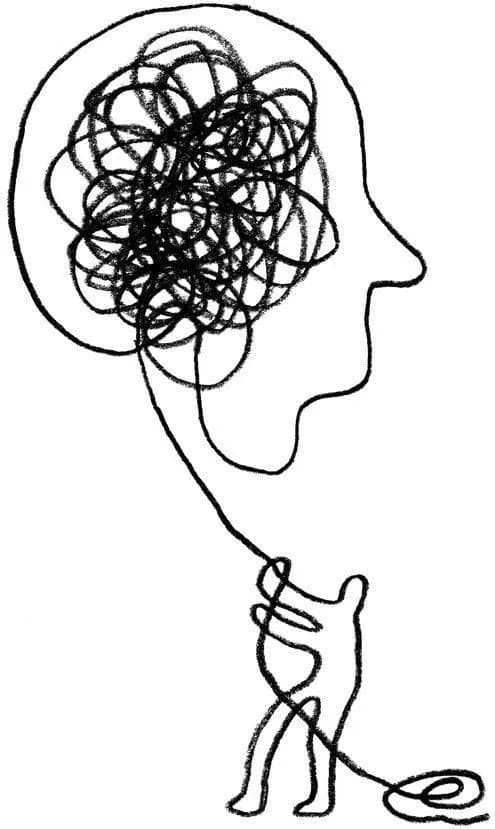
Stress can show up as muscle tension, a busy mind, shallow breathing, disrupted sleep, digestive changes, or low energy. Care starts with the pattern you are experiencing and creates a quiet, practical treatment plan to support rest, regulation, and recovery.
Ready to feel more rested and supported? Schedule your visit and explore a personalized approach to stress, sleep, and recovery.
BOOKConditions and concerns
Explore common concerns and how acupuncture may fit into supportive care.
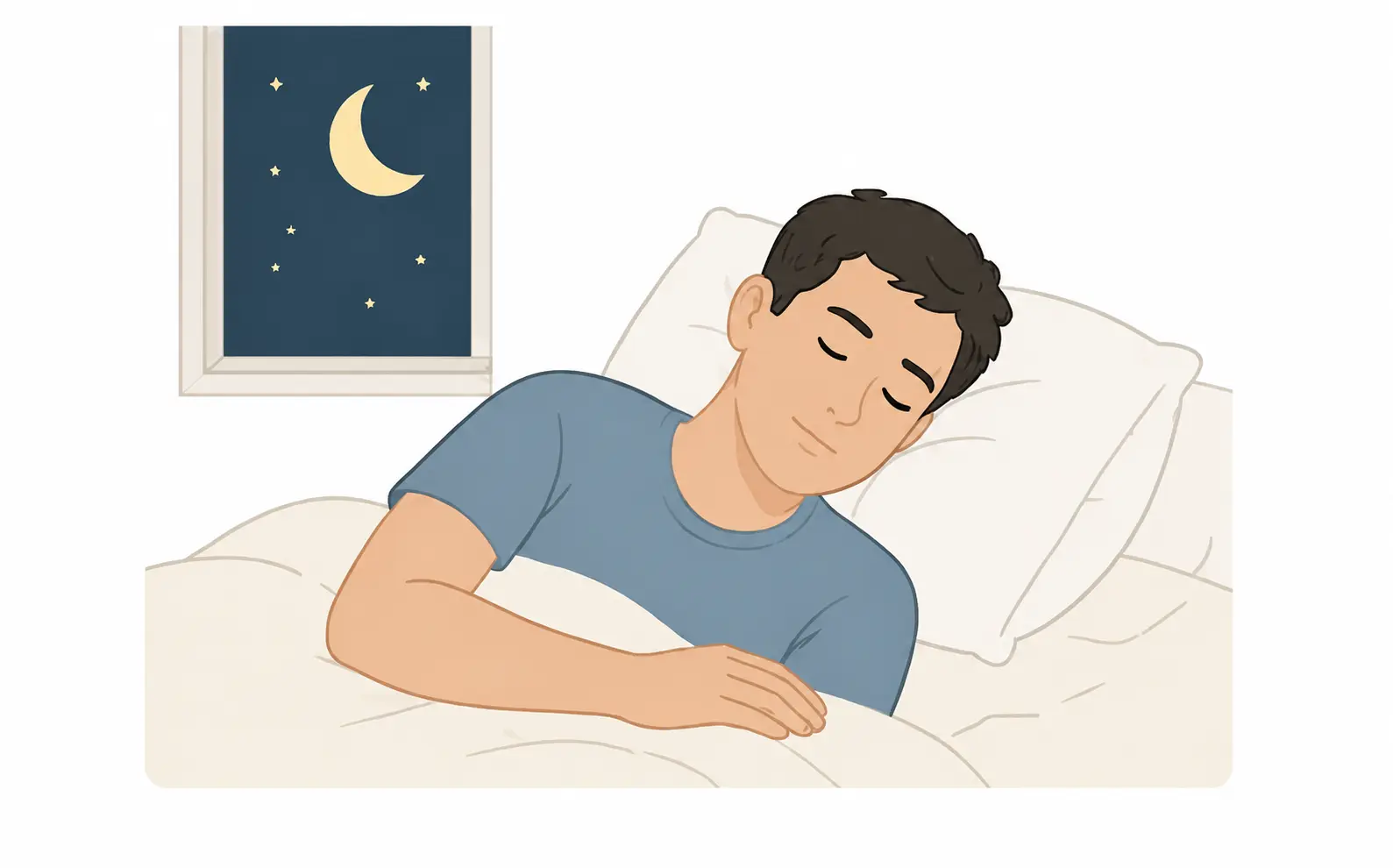
Difficulty falling asleep, frequent waking, waking too early, racing thoughts at bedtime, light sleep, or feeling unrefreshed in the morning.
Acupuncture stimulates sensory nerves that help quiet an overactive stress response and shift the body toward a more restful state. Treatment is designed to reduce racing thoughts, nighttime tension, and repeated waking so it becomes easier to fall asleep, stay asleep, and wake feeling more restored.
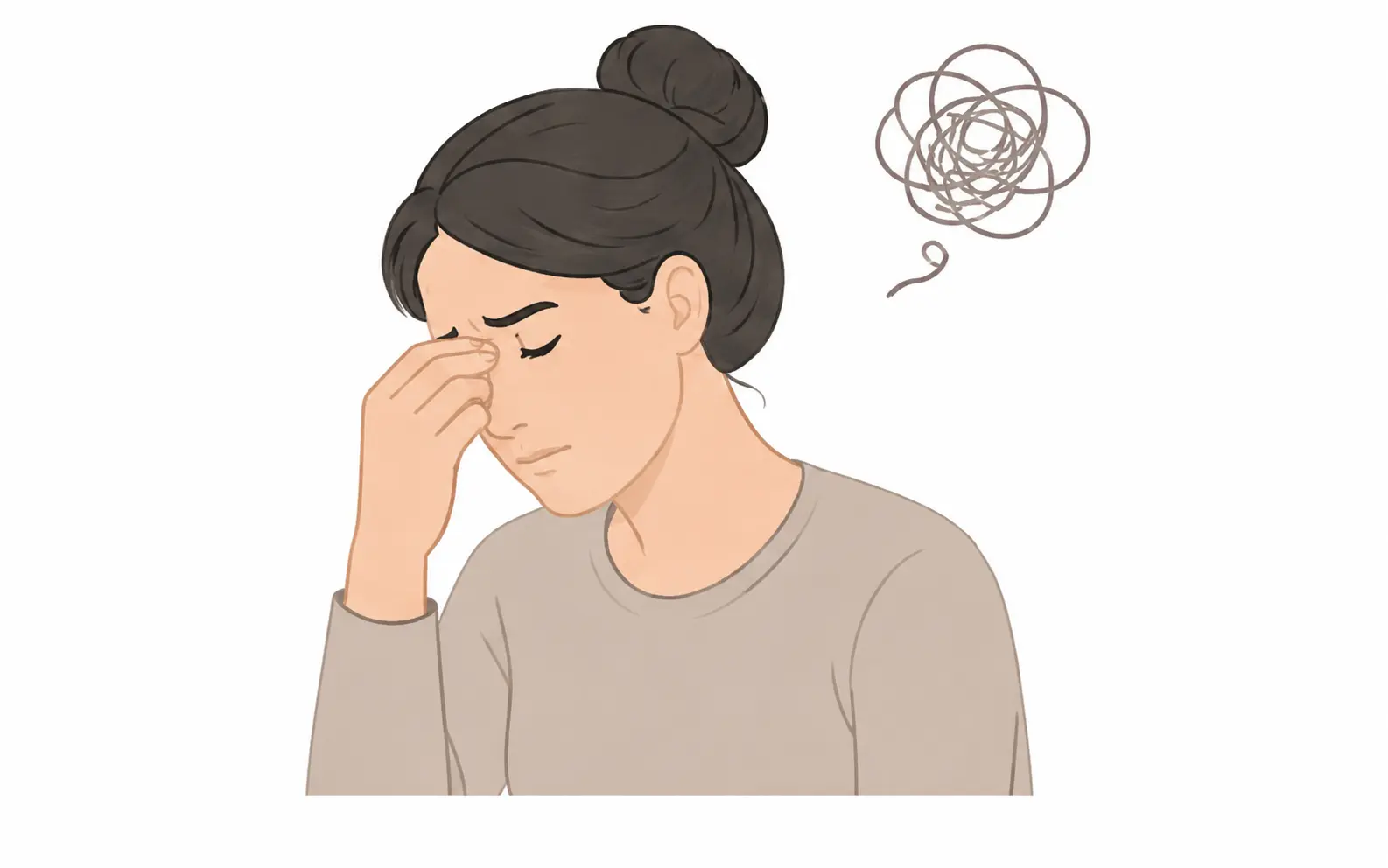
Feeling constantly “on,” shallow breathing, irritability, restlessness, stress headaches, muscle tension, or difficulty switching off after a demanding day.
When the body stays in “go mode,” breathing becomes shallow, muscles tighten, and the mind has difficulty switching off. Acupuncture helps interrupt this stress pattern by calming nervous-system activity, relaxing tense muscles, and allowing the body to settle into a slower, more restorative state.
Many first-time patients notice that their breathing becomes deeper and their body feels noticeably less tense during or after treatment.
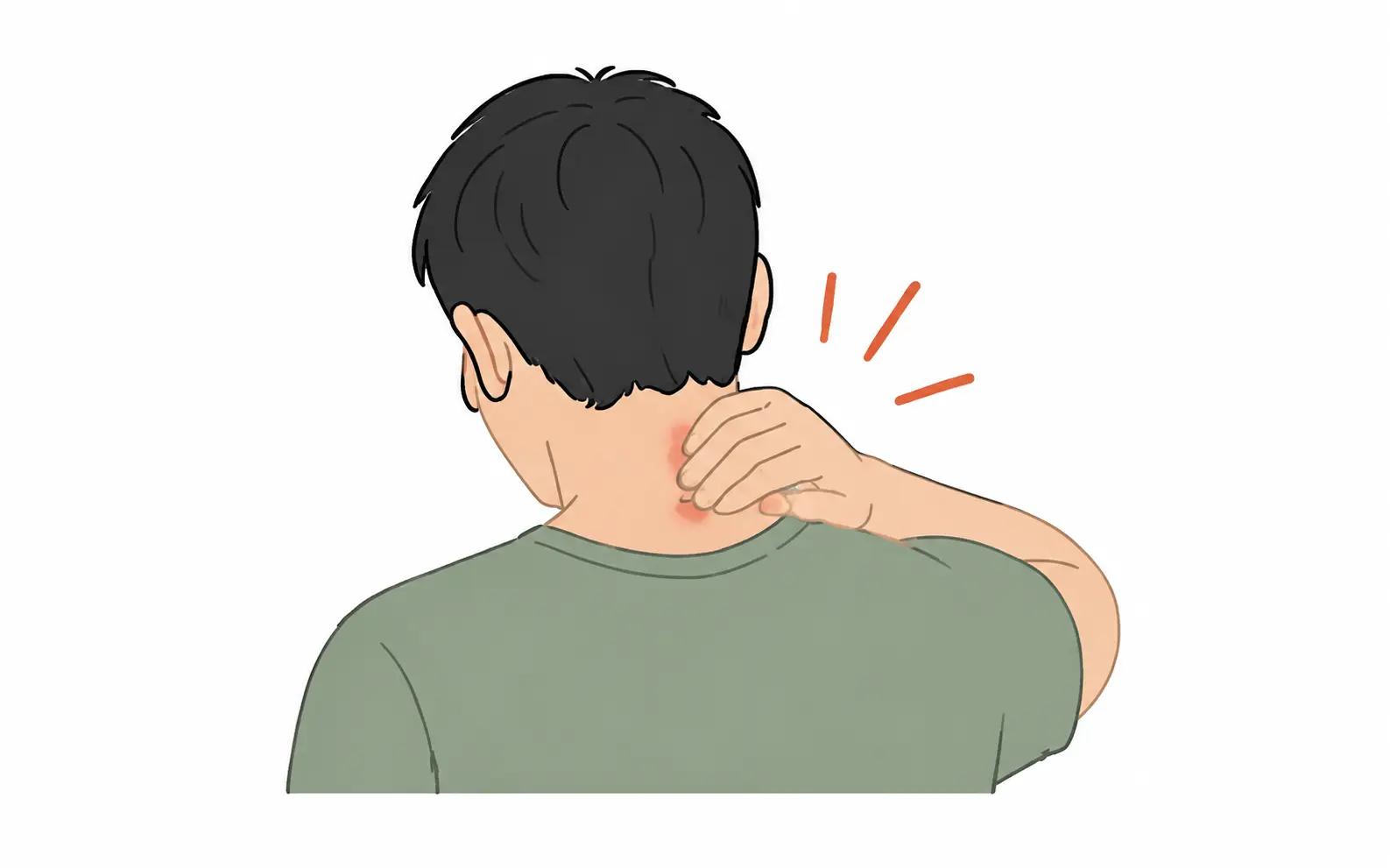
Jaw clenching, chest tightness, stomach discomfort, restless energy, neck or shoulder tension, physical agitation, or trouble sleeping when worry increases.
Anxiety often shows up physically—not only as worry, but also as jaw clenching, chest tightness, stomach discomfort, restless energy, and difficulty sleeping. Acupuncture works with both the nervous system and these physical tension patterns.
Treatment can relax tight muscles, reduce physical agitation, ease stress-related digestive symptoms, and help the body move out of a constant state of alertness.
Daytime exhaustion, a second wind at night, brain fog, low motivation, energy crashes, unrefreshing sleep, or feeling too activated to fully rest.
Feeling exhausted during the day but unable to fully relax at night often reflects poor recovery rather than simply “not having enough energy.” Acupuncture treatment focuses on improving sleep, calming excessive stress activation, and addressing digestive or menstrual patterns that may be draining your energy.
The goal is not to artificially stimulate you, but to help your body rest more effectively and recover more consistently.
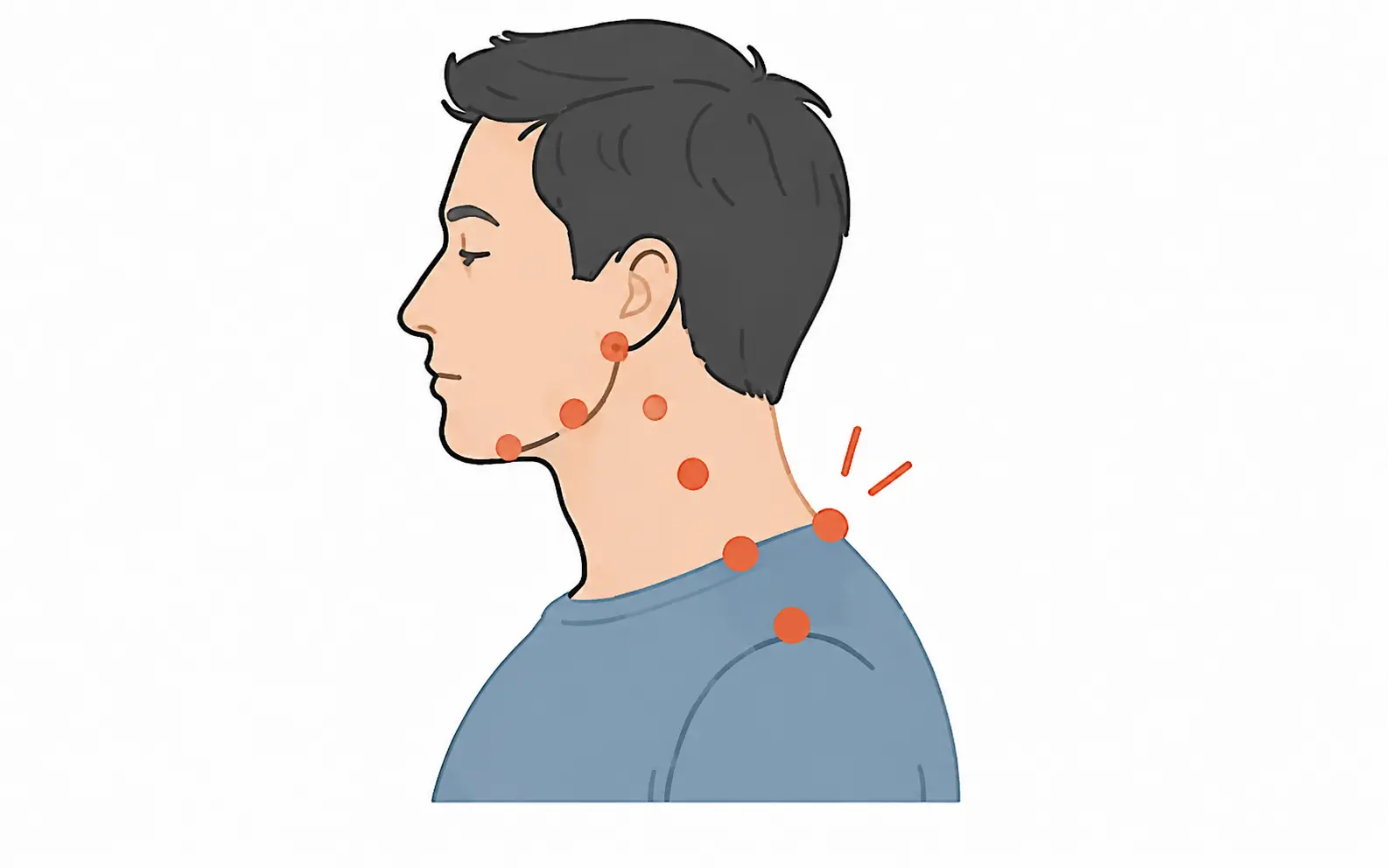
Jaw clenching or grinding, tight shoulders, neck stiffness, tension headaches, upper-back tightness, or limited, uncomfortable neck movement.
Acupuncture can directly target tight muscles and trigger points in the jaw, neck, shoulders, and upper back. Needling these areas helps overactive muscles release, improves local blood flow, reduces muscle guarding, and restores easier movement.
For jaw clenching or teeth grinding, treatment may include the masseter, temporalis, neck, and shoulder muscles rather than treating the jaw alone. Patients often notice that the jaw feels lighter and the shoulders drop as the muscles begin to relax.
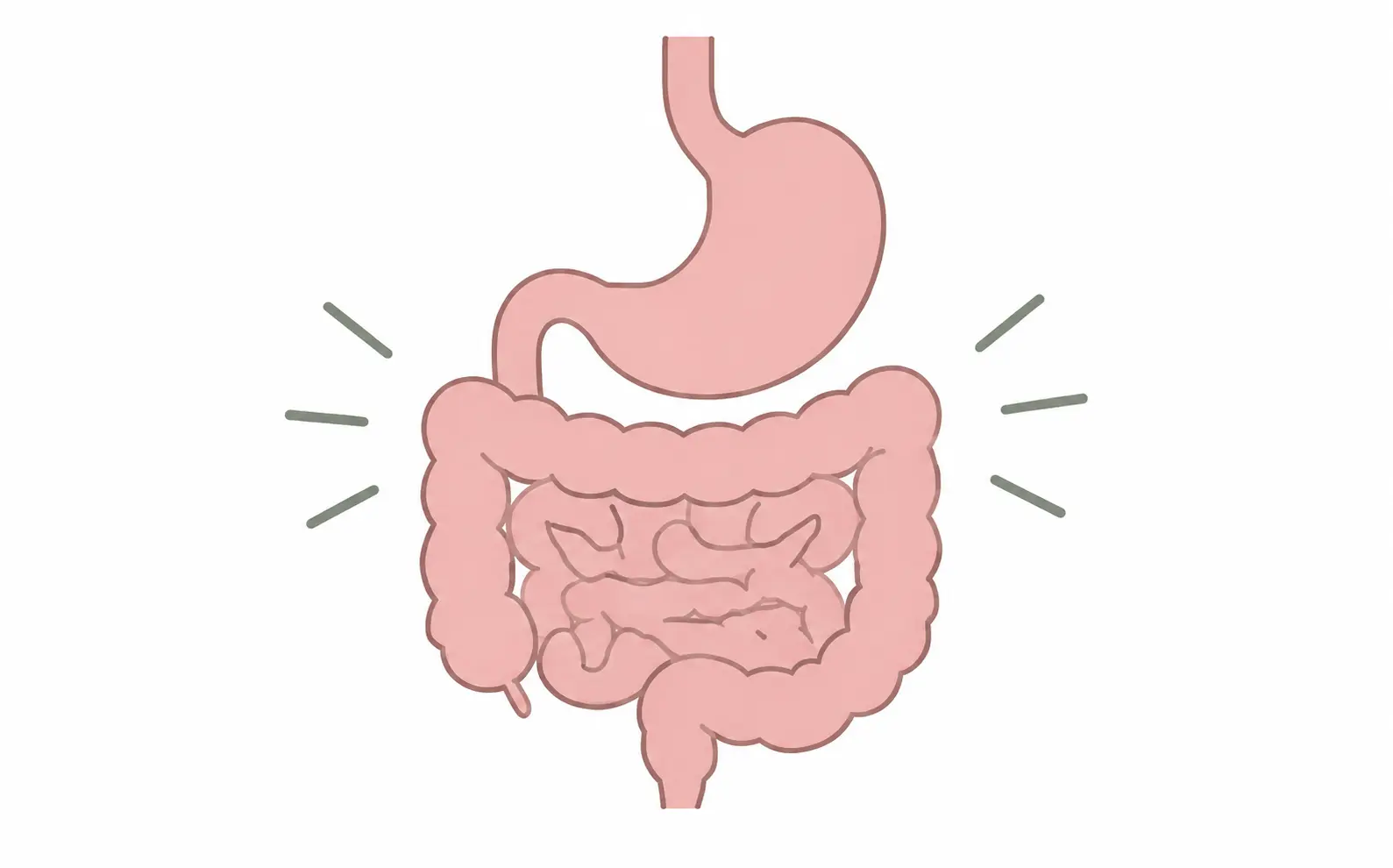
Bloating, nausea, reflux, stomach tightness, appetite changes, constipation, loose stools, or digestive symptoms that flare during stressful periods.
The digestive system is closely connected to the nervous system, which is why stress can quickly trigger nausea, bloating, reflux, stomach tightness, constipation, or loose stools. Acupuncture helps calm this stress–gut response while stimulating the neural pathways involved in normal digestive activity.
Treatment focuses on relaxing abdominal tension, reducing bloating and nausea, improving bowel regularity, and helping digestion return to a more comfortable rhythm.
Why consider acupuncture?
Helps reduce the body’s stress response and promotes relaxation.
Supports tight muscles, jaw clenching, and physical discomfort.
Helps you fall asleep easier, stay asleep longer, and wake more refreshed.
A physical signal to slow down—releasing tension, deepening the breath, and quieting the mind.
Support between appointments
Small, adhesive ear seeds provide gentle acupressure that you can activate throughout the day. They offer a simple way to reinforce relaxation, ease restlessness, and support a calmer rhythm between acupuncture visits.
Science in context
Several connected mechanisms can be engaged at the same time, which is why treatment can address both a primary concern and the patterns surrounding it.
Acupuncture helps shift the body out of constant alertness and toward a calmer state that supports rest and recovery.
Sensory stimulation helps release jaw, neck, shoulder, and abdominal tension while encouraging slower, deeper breathing.
By calming nighttime activation and supporting more consistent recovery, treatment can make it easier to settle and stay asleep.
Your visit at Springwell
Every plan is adjusted to your symptoms, health history, comfort, and goals.
We discuss sleep timing, energy, stressors, medications, caffeine, and the patterns that make rest harder.
Sleep history · stress mapTreatment is paced to your capacity and may include gentle acupuncture and ear seeds for between-visit acupressure.
Acupuncture · ear seedsYou leave with one or two practical changes to observe between visits, without an overwhelming list of rules.
Relaxation · simple next stepsHave questions?
We are offering a free 15-minute consultation for those who are seeking more answers.
Book now