Services

Core treatment

Acupuncture in Herndon, VA

Acupuncture uses fine, sterile, single-use needles at carefully selected points to support pain, women’s health, stress, sleep, digestion, and overall wellbeing.

BOOK NOW

Acupuncture care in Herndon

Care that begins with one point and considers the whole person.

Acupuncture is more than placing needles where it hurts. We look at what is happening now, how long it has been going on, what makes it better or worse, your medications and medical care, and patterns such as sleep, digestion, menstrual changes, stress, and energy. Point selection is then guided by your main concern, physical findings, and traditional tongue and pulse assessment when useful.

A clear look at treatment

How acupuncture works, what happens, and what to watch for.

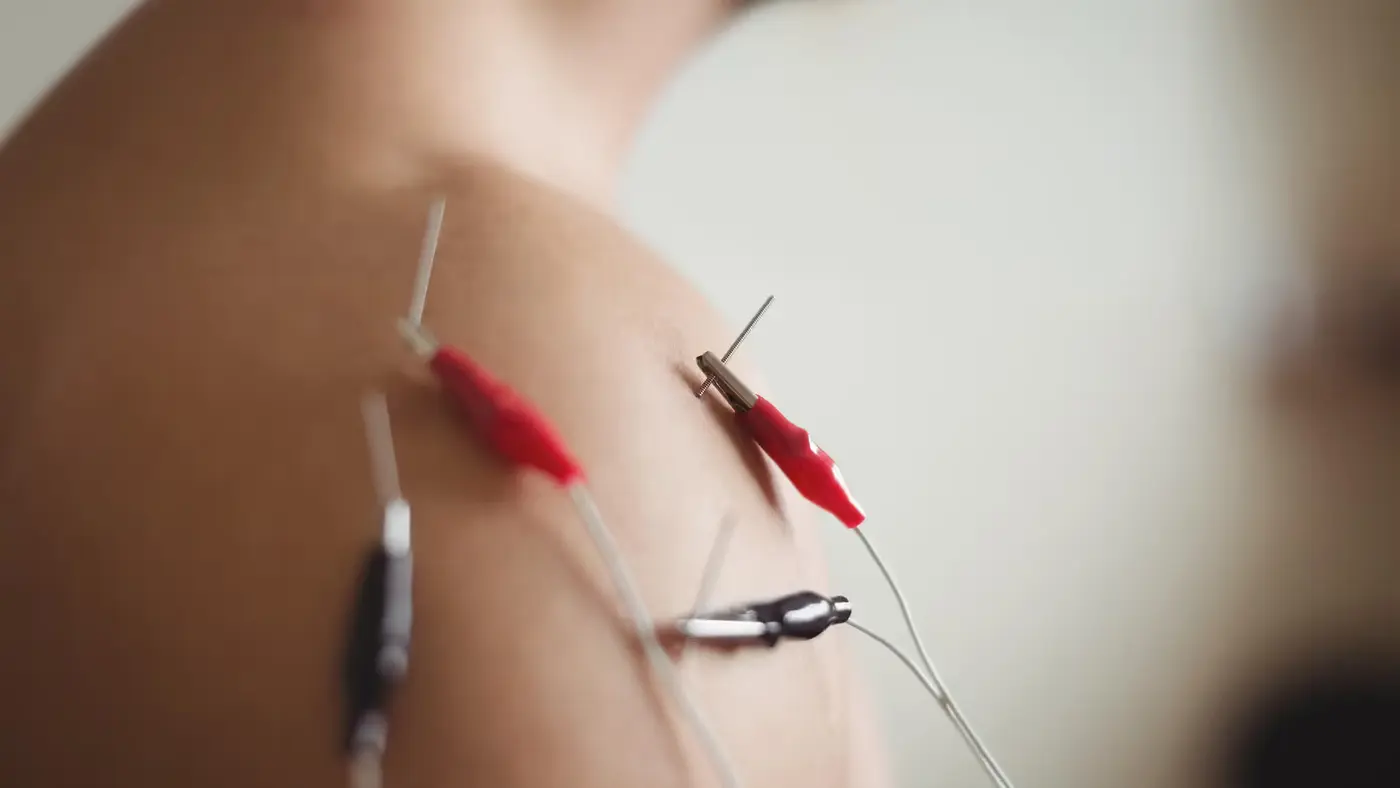
Electroacupuncture clips connected to fine acupuncture needles

How Acupuncture Works

Acupuncture needles stimulate sensory nerves and local connective tissue. That input can influence how the nervous system processes pain, change muscle tone, affect local blood flow, and interact with systems involved in stress and recovery. No single pathway explains every effect, and the quality of evidence differs by condition — which is why treatment should have a clear goal rather than being used as a cure-all.

BOOK NOW
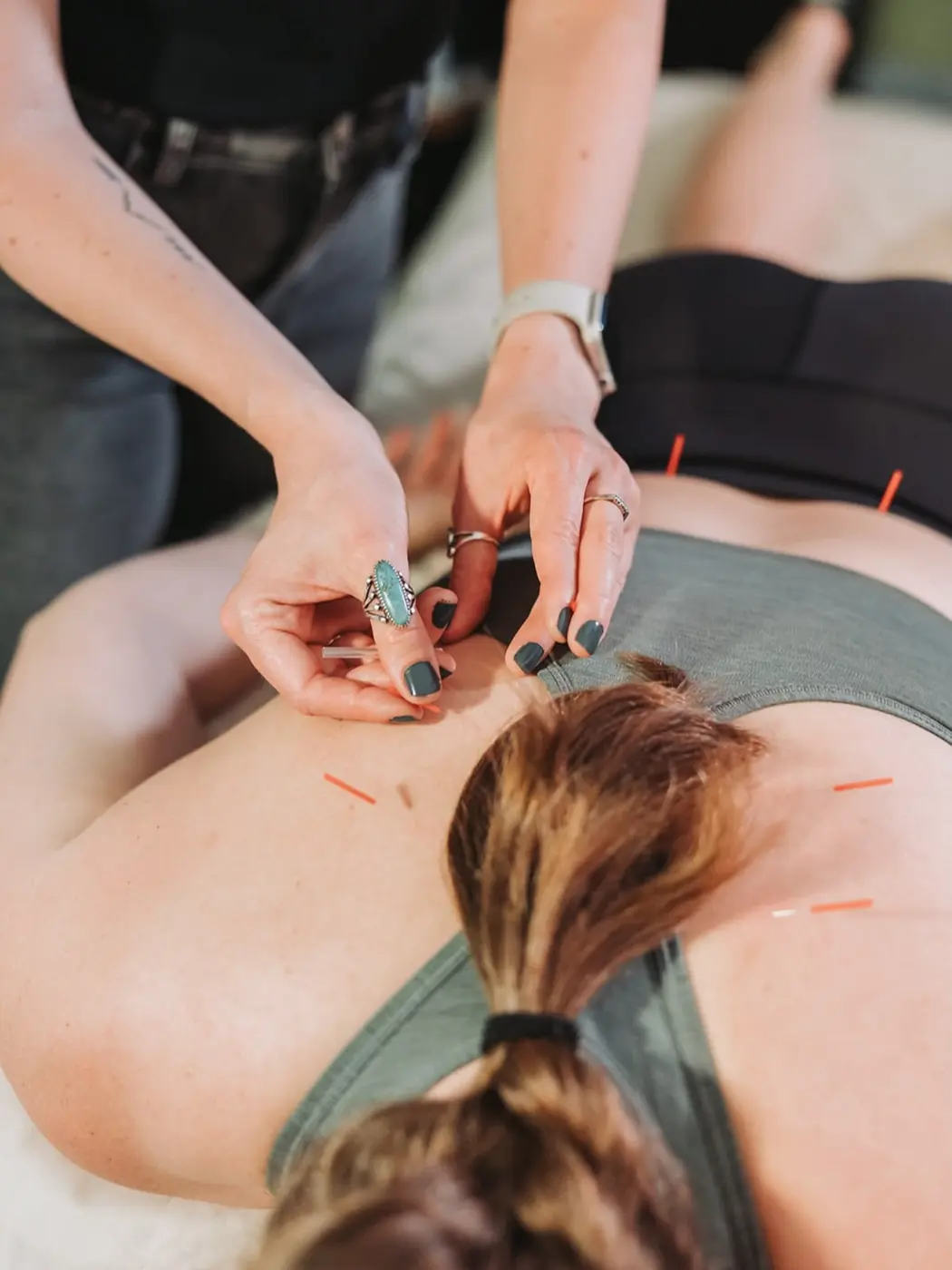
Acupuncturist gently placing a needle during a back treatment

What to Expect

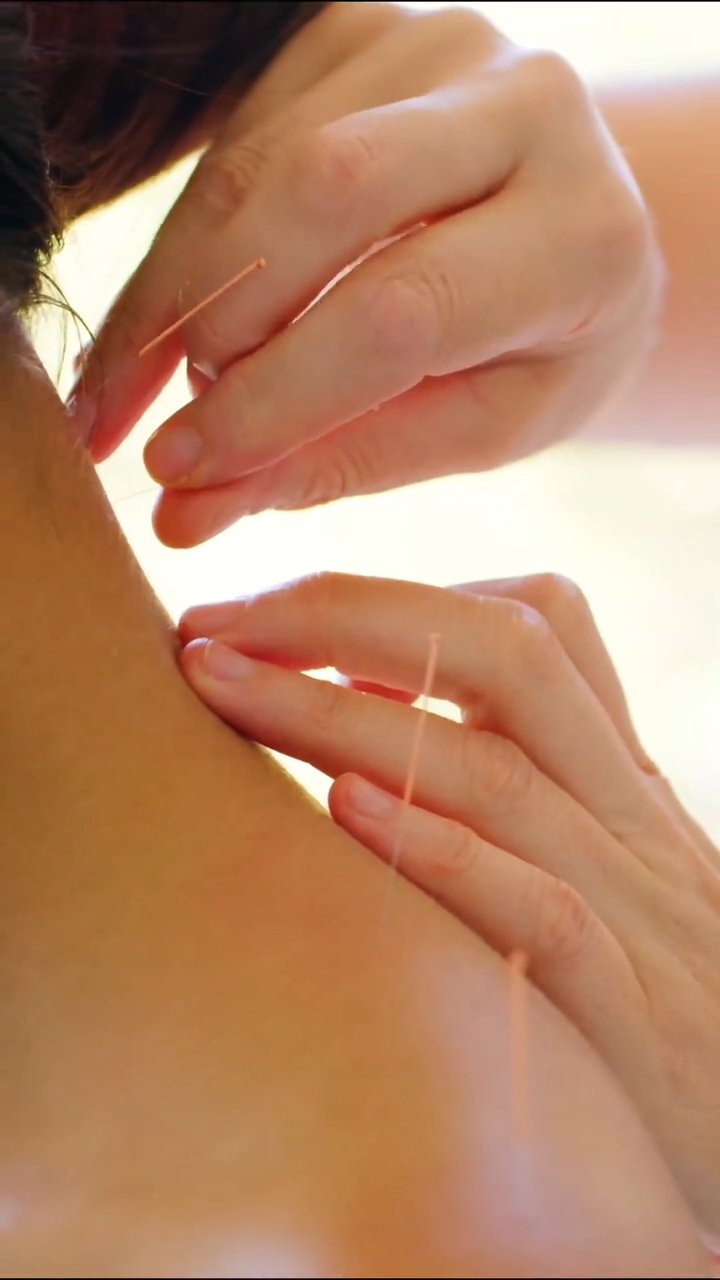
Your first visit starts with the details that matter clinically: when symptoms began, what makes them better or worse, medications, recent procedures, sleep, digestion, stress, and menstrual or fertility treatment when relevant. Fine needles are then placed at selected points while you rest. Electroacupuncture or cupping may be added only when it fits the problem. Follow-up visits focus on what changed and what still needs attention.

BOOK NOW
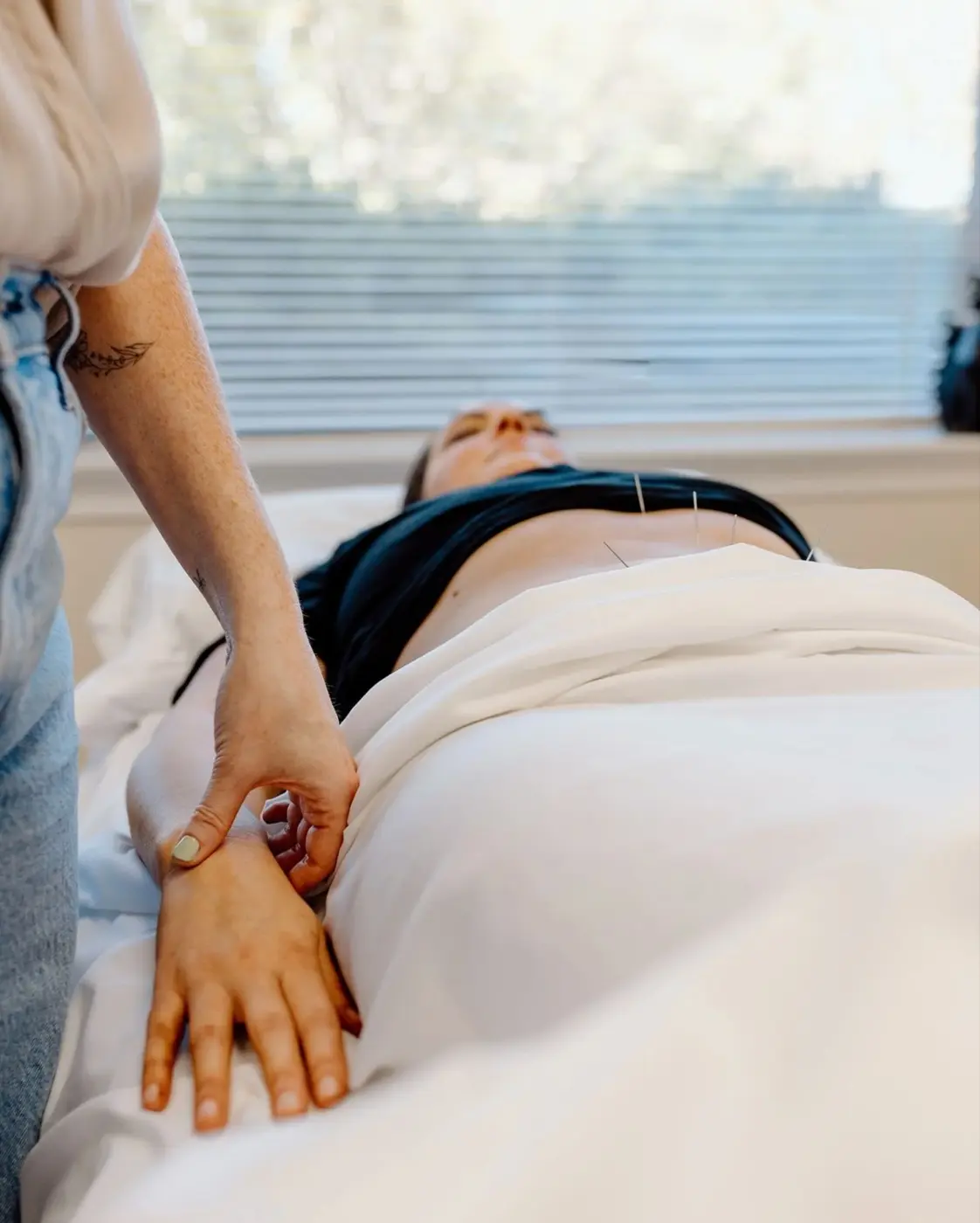
Patient resting comfortably during a licensed acupuncture treatment

What You May Notice

Some people leave feeling deeply relaxed. Others first notice practical changes over the next day or two, such as easier movement, less muscle tension, fewer symptom spikes, or better sleep. Long-standing problems may change more gradually. Response varies, so we look for measurable improvement over time rather than promising a result after a set number of visits.

BOOK NOW

Common care areas

Where Acupuncture May Fit Into Your Care

  • Menstrual cramps, cycle-related discomfort, and irregular-cycle concerns
  • Perimenopause and menopause symptoms such as hot flashes, night sweats, and sleep disruption
  • Fertility planning and supportive care during IUI or IVF
  • TMJ, jaw, facial pain, headaches, and migraine-related concerns
  • Neck, shoulder, back, and other musculoskeletal pain or tension
  • Stress, anxiety-related physical tension, and difficulty winding down
  • Sleep difficulties, fatigue, and recovery during demanding periods
  • Bloating and digestive symptoms that may fluctuate with stress or routine

Knowledge

Frequently Asked Questions

What happens during an acupuncture visit?

We start with the reason you came in and the details that can change treatment: when symptoms began, what triggers them, sleep, digestion, menstrual or hormonal changes when relevant, medications, recent procedures, and other medical care. After an exam and traditional assessment when useful, fine needles are placed and you rest quietly for about 20–30 minutes. We review how you respond and use that information to guide the next visit.

Does acupuncture hurt?

Most people feel little or no pain. You may notice a quick pinch as a needle enters, followed by heaviness, warmth, tingling, pressure, or a dull ache around some points. These sensations should remain tolerable, and needles can be adjusted or removed at any time.

How soon should I expect to notice a change?

There is no single timeline. Some people notice relaxation or symptom changes after an early visit, while long-standing or complex concerns may change more gradually. We look for practical signs such as fewer painful days, better sleep, easier movement, less symptom intensity, or improved recovery rather than promising a specific result by a specific visit.

How often should I receive acupuncture?

Frequency depends on what you are treating, how severe or long-standing it is, and how you respond. Acute problems may be seen more closely at first, while maintenance or supportive care may be spaced farther apart. We agree on a practical starting schedule and reassess instead of assuming everyone needs the same number of visits.

Can acupuncture be used during fertility treatment, IUI, or IVF?

Yes, acupuncture can be used as supportive care during fertility treatment when it is coordinated with your reproductive plan. We take timing, medications, procedures, pregnancy possibility, symptoms, and your fertility clinic’s instructions into account. Acupuncture does not replace reproductive medical care or guarantee pregnancy or IVF success.

Can acupuncture help with perimenopause or menopause symptoms?

Acupuncture is sometimes used to support symptoms such as hot flashes, night sweats, sleep disruption, stress, headaches, and muscle tension during the menopause transition. Because symptoms can also reflect other medical issues, we review the broader picture and encourage appropriate medical evaluation when needed.

What can acupuncture support?

Common reasons people seek acupuncture include pain and muscle tension, headaches and TMJ symptoms, menstrual discomfort, fertility support, perimenopause symptoms, stress, sleep problems, and some digestive concerns. The evidence and expected benefit are not the same for every condition, so the plan should match the problem rather than treating acupuncture as a cure-all.
How Traditional Chinese Medicine shapes the visit

More than the location of a symptom

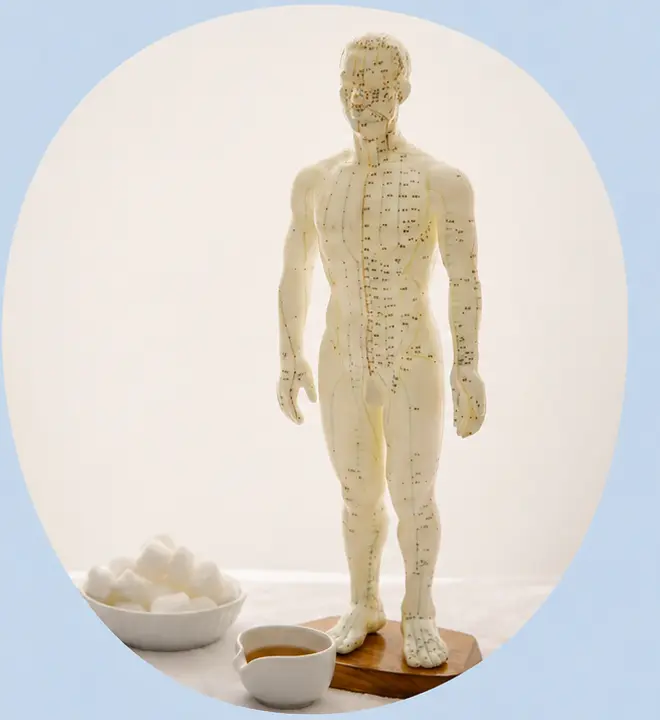
Traditional Chinese Medicine looks for patterns across the body, not just the place that hurts. Sleep, digestion, temperature, menstrual changes, stress, energy, tongue appearance, and pulse quality may all add useful context when they are relevant to your concern.

Traditional reasoning, used with modern safety

Traditional pattern assessment helps guide point selection, while medications, diagnoses, pregnancy status, recent procedures, and other medical care are reviewed for safety. The two perspectives are used together rather than treating them as competing systems.

Traditional Chinese Medicine acupuncture model with meridian points

Why point selection can change

Two people with the same diagnosis may not receive exactly the same treatment, and your own point selection may change from visit to visit. What matters is the pattern of symptoms that is present that day and whether the plan is producing meaningful change over time.